Types of Surgical Scissors and Their Uses
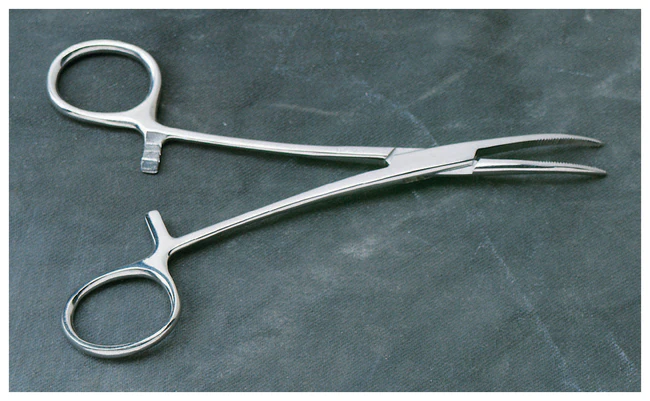
Surgical scissors are cutting instruments used to cut tissue, sutures, dressings and other materials during an operation. They look similar at first sight, but every type has a different blade shape, length and tip, and using the wrong one can damage tissue or blunt the blades. This guide explains the main types of surgical scissors, their uses, how to choose between straight and curved, how to care for them and what to look for when buying.
- Main types of surgical scissors
- Mayo scissors
- Metzenbaum scissors
- Iris and fine scissors
- Suture and stitch scissors
- Bandage and dressing scissors
- Other specialty scissors
- Straight vs curved and blade tips
- Tungsten carbide and supercut scissors
- Cleaning, sharpness and care
- How to choose quality scissors
- Frequently asked questions
Main Types of Surgical Scissors
| Scissors | Typical length | Main use |
|---|---|---|
| Mayo (straight) | About 5.5 to 6.75 in (14 to 17 cm) | Cutting sutures, drapes and tough material |
| Mayo (curved) | About 5.5 to 6.75 in (14 to 17 cm) | Cutting fascia and dense tissue |
| Metzenbaum | About 5 to 9 in (12 to 23 cm) | Dissecting and cutting delicate tissue |
| Iris | About 4.5 in (11 to 12 cm) | Fine dissection and small, precise cuts |
| Suture / stitch scissors | Varies | Cutting thread and removing stitches |
| Lister bandage | Varies | Cutting bandages and dressings |
| Potts-Smith | Varies | Vascular surgery (angled blades) |
Lengths are approximate and differ between manufacturers.
Mayo Scissors
Mayo scissors are strong, heavy scissors with short blades and thick handles. The straight type is commonly used to cut sutures, drapes and other tough material, and the curved type is used to cut dense tissue such as fascia, muscle and fibrous structures. Their sturdy build makes them one of the most used scissors in the operating room.
Metzenbaum Scissors
Metzenbaum scissors have long handles and thin, delicate blades, usually with blunt tips. They are designed for dissecting and cutting soft tissue where care is needed, for example in abdominal and plastic surgery. Because the blades are fine, they should not be used to cut sutures, wire or other tough material, as this blunts or damages them.
Iris and Fine Scissors
Iris scissors are small, light scissors with fine, sharp blades. They are available straight or curved and are used for delicate dissection, small incisions and precise cuts in areas such as plastic, eye and minor surgery. Tenotomy scissors, such as Stevens and Westcott types, are other fine scissors used for delicate work.
Suture and Stitch Scissors
- Suture scissors: cut the thread after knotting. Some designs have a hooked or notched tip to catch the suture.
- Stitch removal scissors: have a small hook or pointed tip that slides under a stitch for removal. Spencer and Littauer types are common examples.
These work together with a needle holder and tissue forceps. Read our guide to surgical sutures for more.
Bandage and Dressing Scissors
Lister bandage scissors have an angled blade and a flat, blunt lower tip that slides under a bandage without injuring the skin. They are used for cutting bandages, dressings and tape in wards, emergency care and first aid.
Other Specialty Scissors
- Potts-Smith scissors: angled blades used in vascular and cardiovascular surgery.
- Episiotomy scissors: angled with a blunt lower tip, used in obstetrics.
- Umbilical cord scissors: used to cut the umbilical cord.
- Wire cutting scissors: heavier scissors with serrated blades for cutting wire and orthopaedic material.
Straight vs Curved and Blade Tips
- Straight scissors: suited to cutting sutures, drapes and superficial tissue.
- Curved scissors: give a clearer view of the tips and are usually preferred for dissecting and for working in deeper areas.
Scissors are also described by their tips. Sharp/sharp (S/S) have two pointed tips for fine, precise cutting. Sharp/blunt (S/B) have one pointed and one rounded tip. Blunt/blunt (B/B) have two rounded tips, which lowers the risk of accidental puncture of nearby tissue.
Tungsten Carbide and Supercut Scissors
Some scissors have tungsten carbide inserts bonded into the blades. They stay sharp much longer than plain stainless steel and are often marked with gold-coloured handles, although colour coding can vary slightly between manufacturers. Supercut scissors have one blade with a fine micro-serrated edge, which grips tissue and gives a very clean cut with less slipping. Both types usually cost more but last longer.
Cleaning, Sharpness and Care
- Wipe off blood and tissue after use and do not let debris dry on the blades.
- Clean with a neutral or enzymatic detergent and a soft brush, taking care around the box lock.
- Rinse, dry completely and lubricate the box lock with water-soluble instrument lubricant.
- Sterilize in the open position so steam can reach the blades and the joint, following the manufacturer's instructions.
- Check sharpness and alignment regularly. Blades should cut cleanly along their whole length without catching or folding the material.
Do not use scissors to cut materials they are not designed for, and avoid dropping them, because the blade alignment is easily damaged. Dull scissors can be professionally sharpened.
How to Choose Quality Surgical Scissors
- Right type for the task: heavy scissors for tough tissue, fine scissors for delicate work.
- Blade quality: smooth, sharp blades that meet accurately along the full length.
- Box lock: should move smoothly with no stiffness or side play.
- Material: medical-grade stainless steel, with tungsten carbide inserts where long-lasting sharpness is needed.
- Manufacturer: ask about quality standards such as ISO 13485 and about bulk supply and custom orders.
Sialkot, Pakistan is one of the world's best-known surgical instrument manufacturing hubs. We make hemostatic forceps and other surgical instruments in Sialkot. Contact us for quotations and bulk orders. For an overview of all instrument groups, see Surgical Instruments Names and Uses, and for clamping instruments read Hemostatic Forceps: Types, Uses and How to Use Them.
Frequently Asked Questions
What is the difference between Mayo and Metzenbaum scissors?
Mayo scissors are heavy with short, strong blades for sutures, fascia and dense tissue. Metzenbaum scissors have long handles and thin, delicate blades for dissecting soft tissue.
Can Metzenbaum scissors be used to cut sutures?
This is not recommended. Cutting sutures or other tough material dulls and can damage the fine blades, so separate suture scissors are normally used.
What do gold handles on surgical scissors mean?
Gold-coloured handles commonly indicate tungsten carbide inserts in the blades, which stay sharp longer. Colour coding can vary slightly between manufacturers.
What is the difference between straight and curved surgical scissors?
Straight scissors suit cutting sutures and superficial tissue. Curved scissors give a better view of the tips and are preferred for dissecting and for deeper areas.
How should surgical scissors be sterilized?
After cleaning and drying, sterilize them in the open position following the manufacturer's instructions, usually in a steam autoclave.
Conclusion
Mayo scissors handle tough material, Metzenbaum scissors handle delicate dissection, Iris scissors give fine control, and suture and bandage scissors cover everyday tasks. Choosing the correct type, and keeping the blades clean, sharp and properly aligned, makes surgery safer and the instruments last longer. To explore our range of surgical instruments, visit our products page.
Note: This article is for general educational purposes and does not replace professional medical training or manufacturer instructions for use.