Surgical Instruments: Names, Types and Uses – Complete Guide
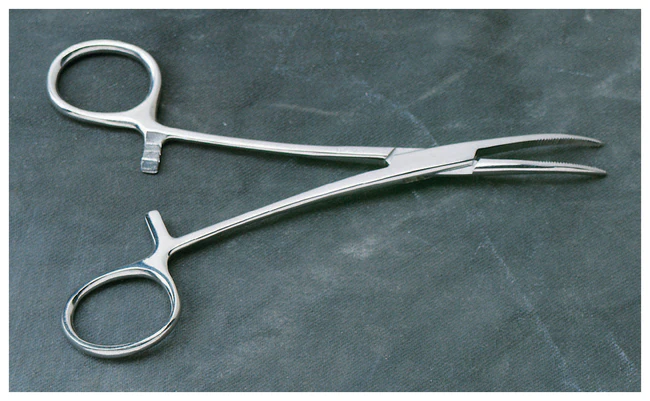
Surgical instruments are specially designed tools that surgeons, nurses and veterinary professionals use to cut, grasp, clamp, retract, suture and examine tissue during an operation. Every instrument has a specific shape, size and jaw design, and using the right one improves precision, reduces tissue damage and makes the procedure safer. In this guide you will learn the main types of surgical instruments, their common names and uses, the materials they are made from, how they are sterilized and how to choose good quality instruments.
- Main types of surgical instruments
- Cutting and dissecting instruments
- Grasping and holding instruments
- Hemostatic forceps (artery forceps)
- Retractors
- Suturing instruments
- Other common instruments
- Materials and quality
- Cleaning and sterilization
- How to choose surgical instruments
- Frequently asked questions
Main Types of Surgical Instruments
Although thousands of instrument designs exist, most of them fall into a few functional groups. The table below gives a quick overview.
| Group | Purpose | Common examples |
|---|---|---|
| Cutting and dissecting | Incise or separate tissue | Scalpel, Mayo scissors, Metzenbaum scissors |
| Grasping and holding | Hold tissue or organs | Adson forceps, DeBakey forceps, Allis, Babcock |
| Hemostatic | Clamp blood vessels to control bleeding | Halsted mosquito, Kelly, Crile, Kocher |
| Retractors | Hold wound edges or organs aside | Army-Navy, Richardson, Deaver, Weitlaner |
| Suturing | Hold needles and close wounds | Mayo-Hegar needle holder, suture scissors |
| Clamping and holding drapes | Secure drapes, sponges and swabs | Backhaus towel clamp, sponge holding forceps |
| Suction and irrigation | Remove blood and fluid | Yankauer suction tip |
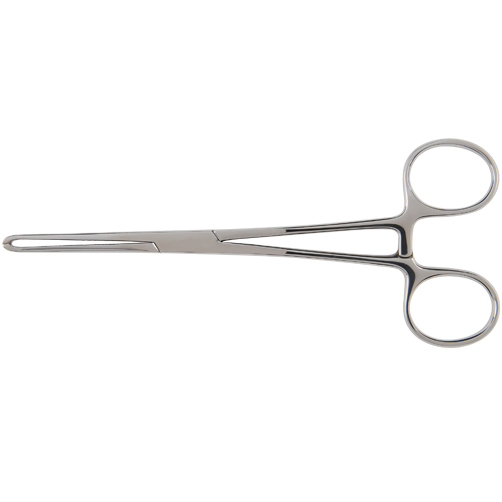
Cutting and Dissecting Instruments
Scalpel
A scalpel consists of a reusable handle and a disposable blade. The Bard-Parker No. 3 handle takes smaller blades such as No. 10, 11, 12 and 15, while the No. 4 handle takes larger blades such as No. 20 to 25. Blade No. 10 is a general purpose curved blade, No. 11 is a pointed blade for stab incisions, and No. 15 is a small blade for fine, precise cuts.
Surgical Scissors
- Mayo scissors: strong scissors, straight or curved, used to cut sutures, fascia and heavy tissue.
- Metzenbaum scissors: long handles with thin, delicate blades used for careful dissection of soft tissue. They should not be used to cut sutures or heavy material because this dulls the blades.
- Iris and suture scissors: small scissors for fine work and cutting stitches.
Grasping and Holding Instruments
Tissue forceps are used to hold, lift and stabilize tissue. They are mainly classified as toothed (traumatic) or smooth/atraumatic.
- Adson forceps: fine forceps, available with or without teeth, used for skin closure and delicate tissue.
- DeBakey forceps: atraumatic forceps with fine longitudinal serrations, widely used in vascular and bowel surgery.
- Allis tissue forceps: have multiple small teeth and a locking handle for holding soft tissue firmly. Read more in our guide on Allis tissue forceps.
- Babcock forceps: have smooth, fenestrated (open) jaw tips designed to hold delicate structures such as bowel with less trauma.
Hemostatic Forceps (Artery Forceps)
Hemostatic forceps, also called hemostats or artery forceps, are locking clamps used to compress blood vessels and control bleeding. They are among the most frequently used instruments in any operating room. You can view our full range on the hemostatic forceps products page.
- Halsted mosquito forceps: small, fine-tipped forceps for clamping small vessels. Learn more in What Are Mosquito Forceps?
- Kelly forceps: medium-sized, usually curved, with serrations only on the front half of the jaws.
- Crile forceps: similar to Kelly but with serrations along the whole jaw length.
- Kocher forceps: strong forceps with a 1 x 2 tooth tip, used on tough tissue and fascia where a firm grip is needed. See our comparison Kocher vs Allis forceps.
Retractors
Retractors hold back the edges of an incision or move organs aside so the surgeon can see the operative field.
- Hand-held retractors: Army-Navy, Richardson and Deaver retractors are held by an assistant.
- Self-retaining retractors: Weitlaner, Balfour and Gelpi retractors stay open by themselves and free the assistant's hands.
Suturing Instruments
- Needle holders: the Mayo-Hegar type is the most common and holds curved suture needles securely. The Olsen-Hegar type combines a needle holder with built-in scissors.
- Suture scissors: used to cut the thread after knotting.
- Surgical needles: curved or straight, with cutting or round-bodied tips depending on the tissue.
Other Common Surgical Instruments
- Backhaus towel forceps: pointed clamps used to secure sterile drapes to the patient.
- Sponge holding forceps: ring-handled forceps used to hold swabs for cleaning or to absorb blood.
- Yankauer suction tip: rigid suction tube used to remove blood and fluids from the surgical site.
- Curettes, probes and dilators: used for scraping, exploring and widening openings.
- Vascular clamps: Satinsky and bulldog clamps temporarily occlude blood vessels.
Materials and Quality of Surgical Instruments
Reusable surgical instruments are made mainly from medical-grade stainless steel because it resists corrosion, withstands repeated sterilization and can be machined to fine tolerances. Hardened martensitic stainless steels (400 series) are commonly used for instruments that need strong edges or spring action, while austenitic 300 series steels offer higher corrosion resistance. Some instruments also use tungsten carbide inserts in the jaws or titanium for lightweight, non-magnetic needs.
Quality instruments should have smooth finishing, perfectly aligned jaw tips, a box lock that opens and closes without sticking, and ratchets that hold securely without slipping. Reputable manufacturers follow quality standards such as ISO 13485 and supply instruments with CE marking where required for the target market.
Cleaning and Sterilization
Proper reprocessing protects patients and extends instrument life. The usual steps are:
- Point-of-use cleaning: remove gross blood and tissue soon after use and keep instruments moist.
- Cleaning: manual cleaning with a neutral or enzymatic detergent, or an ultrasonic cleaner or washer-disinfector.
- Rinsing and drying: use clean water and dry thoroughly to prevent spotting and rust.
- Inspection and lubrication: check jaws and box locks, and use water-soluble instrument lubricant on hinges.
- Packaging and sterilization: steam autoclave is the most common method (for example 121 °C or 134 °C using validated cycle times). Heat-sensitive items may need low-temperature methods such as ethylene oxide or hydrogen peroxide plasma.
Avoid saline solution for soaking and harsh chlorine-based cleaners, as they can cause pitting and corrosion on stainless steel.
How to Choose the Right Surgical Instruments
- Match the instrument to the procedure and tissue: use fine instruments for delicate tissue and strong ones for fascia or dense tissue.
- Check size and shape: length, straight or curved jaws and tip pattern matter for access and control.
- Inspect build quality: look for smooth finish, aligned tips and a firm ratchet.
- Buy from a trusted manufacturer: ask about materials, certification and warranty.
- Plan for maintenance: reusable instruments last for years when cleaned and stored correctly.
Surgical Instruments Manufacturing in Sialkot, Pakistan
Sialkot in Punjab, Pakistan is one of the world's best-known centers for surgical instrument manufacturing, with a long history of producing stainless steel instruments for export to hospitals, clinics and distributors worldwide. Our team manufactures hemostatic forceps and other surgical instruments in Sialkot. You can browse our product range or contact us for bulk orders, private labeling and quotations.
Frequently Asked Questions
What are the main types of surgical instruments?
They are commonly grouped into cutting and dissecting instruments, grasping and holding instruments, hemostatic instruments, retractors, clamps, suturing instruments, suction and irrigation tools, and specialty instruments such as dilators, probes and specula.
What is the difference between Kelly and Crile forceps?
Both are hemostatic forceps. Kelly forceps have serrations on only the front half of the jaws, while Crile forceps have serrations along the full length of the jaws and are usually slightly shorter and finer.
Which material is used for surgical instruments?
Most reusable instruments are made of medical-grade stainless steel. Hardened 400 series grades are common for edges and spring action, and 300 series grades offer higher corrosion resistance.
How are surgical instruments sterilized?
After thorough cleaning, they are usually sterilized in a steam autoclave. Heat-sensitive items may use low-temperature methods such as ethylene oxide or hydrogen peroxide plasma.
Where are surgical instruments manufactured?
Sialkot, Pakistan is one of the world's major hubs for surgical instrument manufacturing and export.
Conclusion
Knowing the names and uses of surgical instruments helps medical students, nurses, surgeons, veterinarians and buyers choose the right tool for each procedure. From scalpels and scissors to hemostatic forceps, needle holders and retractors, each instrument has a clear role, and good quality materials and proper sterilization keep them safe and reliable for years. If you need durable stainless steel instruments, explore our hemostatic forceps and surgical instruments or get in touch with us.
Note: This article is for general educational purposes and does not replace professional medical training or manufacturer instructions for use.