Are Mosquito Forceps Used in Surgical Procedures?

Mosquito forceps are among the most widely used surgical instruments in modern medical procedures. These small hemostatic forceps are specifically designed to clamp blood vessels, control bleeding, and handle delicate tissues with precision. Due to their lightweight structure and fine tips, mosquito forceps are commonly used in hospitals, surgical centers, dental clinics, and veterinary procedures worldwide.
Their precise design allows surgeons to work effectively in delicate surgical areas where accuracy is essential. Mosquito forceps are considered an essential component of every surgical instrument set because they help improve visibility during operations by controlling bleeding quickly and efficiently.
What Are Mosquito Forceps?
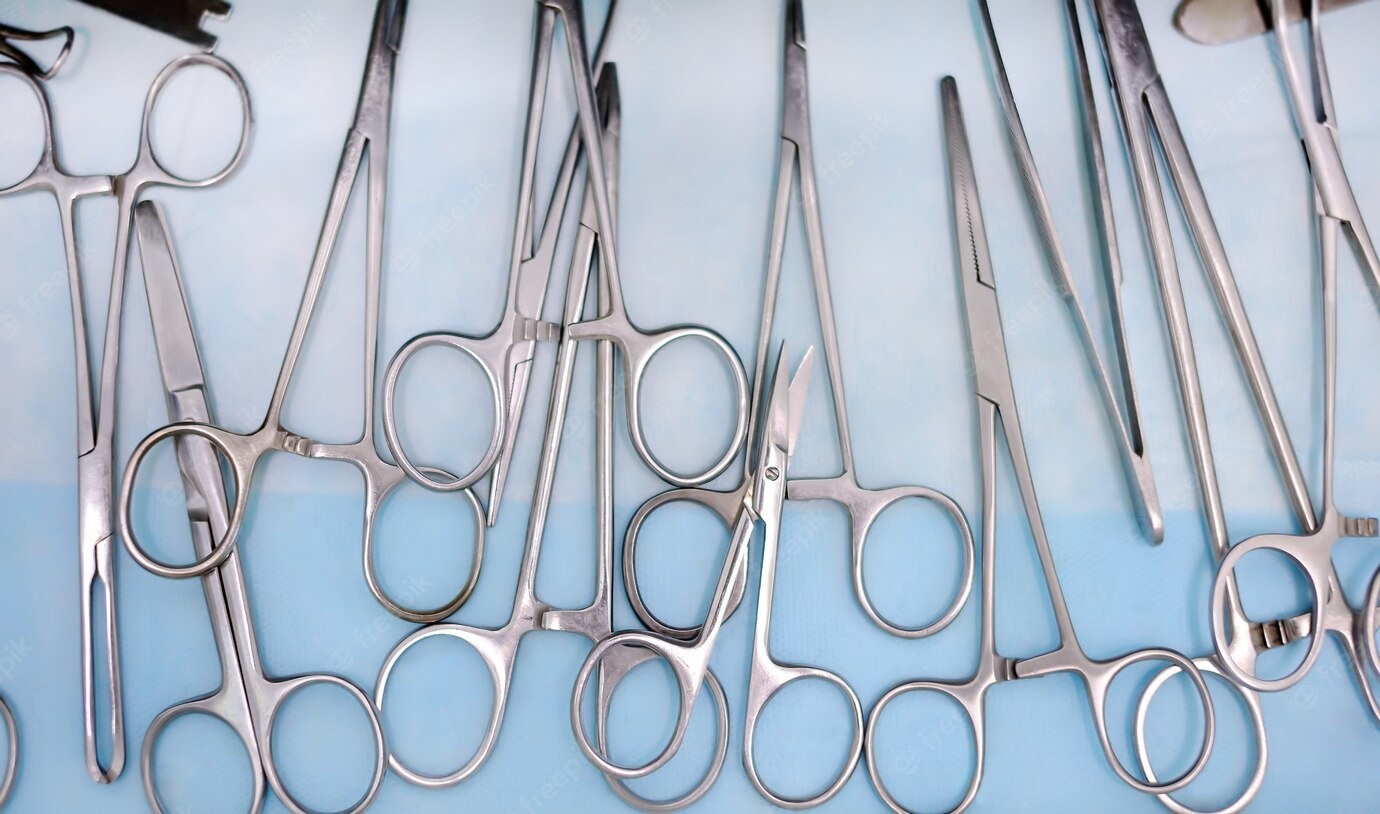
Mosquito Forceps are small surgical instruments used to clamp tiny blood vessels and tissues during surgical procedures. They are named “mosquito” because of their slim and delicate appearance. These instruments usually include a ratchet locking mechanism that allows surgeons to maintain a secure grip without continuous hand pressure.
Mosquito forceps are generally manufactured from premium medical-grade stainless steel to provide durability, corrosion resistance, and long-term surgical performance. Their fine serrated jaws make them ideal for handling sensitive tissues without causing unnecessary damage.
Why Are Mosquito Forceps Used in Surgery?
The primary purpose of mosquito forceps is to achieve hemostasis, which means controlling bleeding during medical procedures. During surgery, even small amounts of bleeding can reduce visibility and make procedures more difficult. Mosquito forceps help surgeons clamp blood vessels quickly and safely.
These instruments are especially useful in delicate surgeries where precision is critical. Their small size allows healthcare professionals to access narrow surgical areas and maintain better control during procedures.
Common Surgical Applications
Mosquito forceps are used in a wide range of medical and surgical procedures, including:
- General surgery
- Dental procedures
- Plastic surgery
- Veterinary surgery
- Emergency medical treatment
- Minor outpatient procedures
Their versatility makes them suitable for both minor and complex operations where delicate tissue handling and bleeding control are required.
Types of Mosquito Forceps
There are two main types of mosquito forceps commonly used in surgical procedures:
Straight Mosquito Forceps: These are commonly used for surface-level procedures and easily accessible blood vessels.
Curved Mosquito Forceps: Curved designs provide improved access to deeper surgical areas and better visibility during operations.
Both designs are highly effective and are selected based on the specific requirements of the surgical procedure.
Features of High-Quality Mosquito Forceps
Premium mosquito forceps are designed to deliver maximum precision and reliability. Important features include:
- Fine serrated jaws for secure grip
- Ratchet locking mechanism
- Corrosion-resistant stainless steel
- Lightweight ergonomic design
- Smooth surface for easy sterilization
These features ensure better handling, improved surgical efficiency, and long-term instrument durability.
Importance of Quality Surgical Instruments
High-quality surgical instruments play a major role in patient safety and successful medical outcomes. Poor-quality forceps may lose grip strength, corrode over time, or fail during delicate procedures. This is why healthcare professionals prefer instruments manufactured according to international medical standards.
Reliable mosquito forceps provide greater surgical accuracy, improved tissue handling, and reduced risk during procedures. Properly manufactured instruments also ensure consistent performance after repeated sterilization and long-term medical use.
Conclusion
Yes, mosquito forceps are extensively used in surgical procedures and are considered one of the most important instruments for controlling bleeding and handling delicate tissues. Their precise design, durability, and versatility make them essential tools in hospitals and clinics worldwide.
For high-quality mosquito forceps and other professional surgical instruments, visit our website and explore durable medical tools designed for precision and reliability in every procedure.