What Is the Difference Between Kocher Forceps and Kelly Forceps?
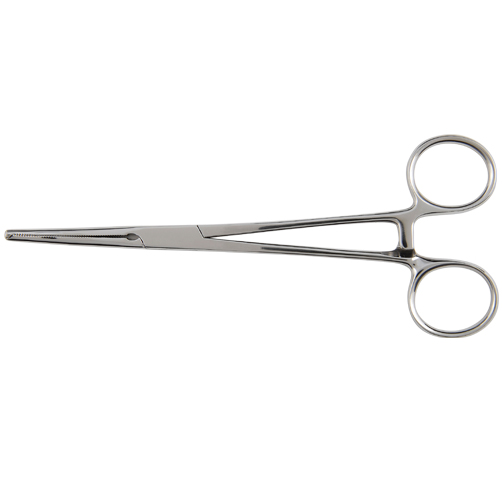
Kocher forceps and Kelly forceps are widely used surgical instruments designed for clamping tissues and controlling bleeding during medical procedures. Although these instruments may appear similar, they have important differences in jaw design, gripping ability, and surgical applications. Understanding these differences helps healthcare professionals choose the correct instrument for specific procedures.
Both Kocher and Kelly forceps are manufactured from high-quality stainless steel and include ratchet locking mechanisms for secure handling. However, their unique structural features make them suitable for different surgical tasks.
What Are Kocher Forceps?
Kocher Forceps are specialized surgical instruments designed for gripping tough tissues and controlling bleeding during surgery. These forceps feature serrated jaws with interlocking teeth at the tip, providing an extremely secure grip.
Kocher forceps are commonly used in procedures involving dense tissues, fascia, or blood vessels where stronger clamping force is required. Their toothed design prevents tissue slippage during surgery.
What Are Kelly Forceps?
Kelly Forceps are hemostatic surgical instruments used for clamping blood vessels and tissues during medical procedures. Unlike Kocher forceps, Kelly forceps typically have partially serrated jaws without teeth.
Kelly forceps are widely used in general surgery and routine procedures where controlled vessel clamping is needed without aggressive tissue gripping.
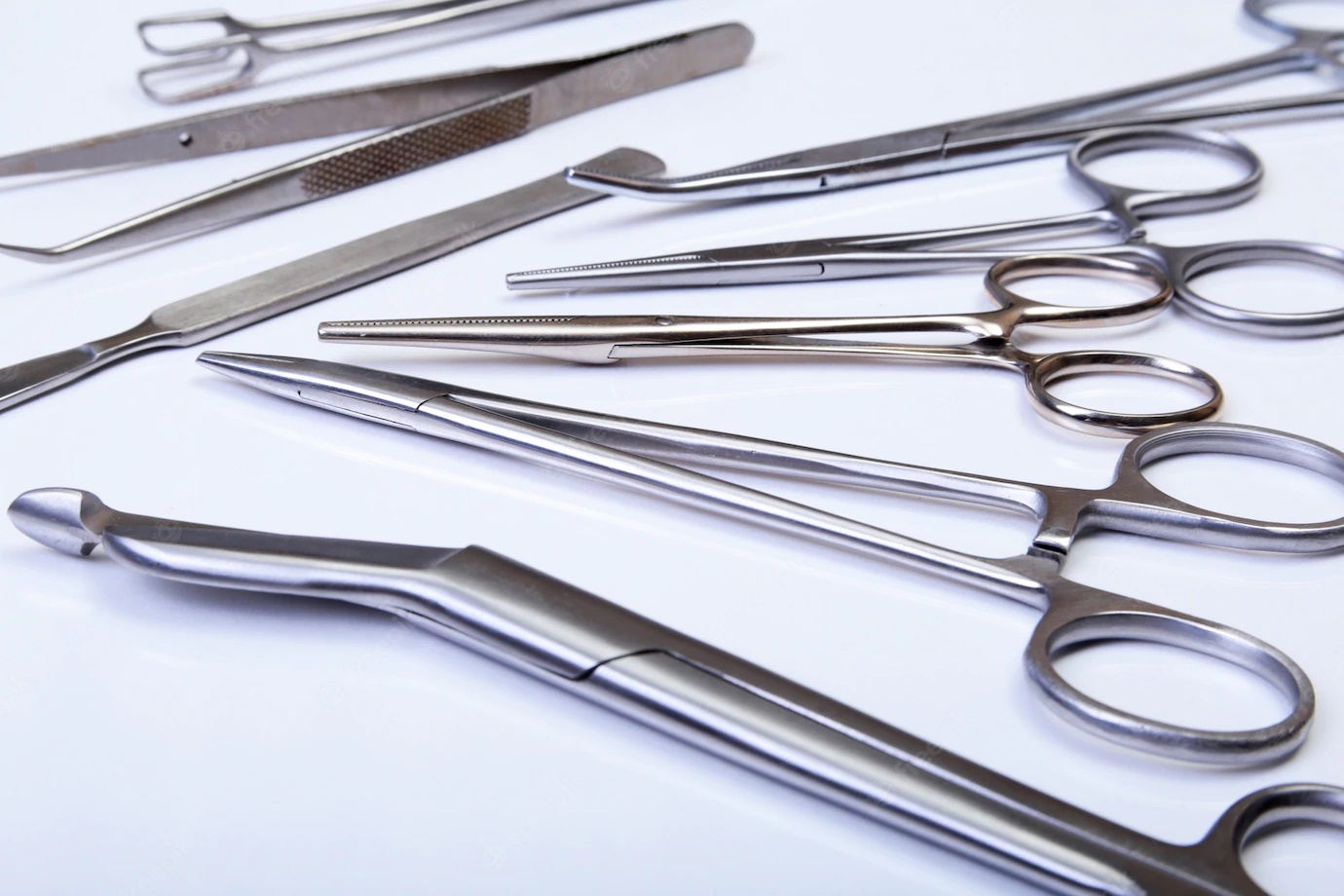
Main Differences Between Kocher and Kelly Forceps
The primary differences between Kocher forceps and Kelly forceps involve jaw design, tissue handling, and surgical application.
Jaw Teeth:
Kocher forceps have interlocking teeth at the tip for stronger grip, while Kelly forceps have smooth serrated jaws without teeth.
Grip Strength:
Kocher forceps provide stronger tissue holding power and prevent slipping during procedures. Kelly forceps offer controlled clamping with less tissue trauma.
Application:
Kocher forceps are used for holding dense tissues and fascia, while Kelly forceps are mainly used for clamping blood vessels and soft tissues.
Tissue Handling:
Kelly forceps are generally less traumatic to tissues compared to Kocher forceps because they do not have sharp teeth.
Common Uses of Kocher Forceps
Kocher forceps are commonly used in:
- Orthopedic surgery
- General surgery
- Tissue gripping
- Fascia handling
- Surgical dissection
Common Uses of Kelly Forceps
Kelly forceps are widely used in:
- Clamping blood vessels
- Controlling bleeding
- General surgical procedures
- Soft tissue handling
- Minor operations
Features of High-Quality Surgical Instruments
Premium Kocher and Kelly forceps are designed with features that improve surgical precision and durability:
- Corrosion-resistant stainless steel
- Ratchet locking mechanism
- Ergonomic finger ring handles
- Precision-engineered jaws
- Smooth finish for sterilization
These features ensure reliable surgical performance and long-term medical use.
Importance of Choosing the Correct Forceps
Selecting the right surgical instrument is essential for patient safety and surgical efficiency. Using Kocher forceps when stronger grip is needed improves stability, while Kelly forceps are preferred when delicate tissue handling and reduced trauma are important.
Healthcare professionals carefully select instruments based on tissue type, procedure complexity, and required grip strength.
Conclusion
Kocher forceps and Kelly forceps are both essential surgical instruments, but they are designed for different purposes. Kocher forceps provide stronger grip with toothed jaws for holding dense tissues, while Kelly forceps are ideal for clamping blood vessels and handling softer tissues with less trauma.
For high-quality Kocher forceps, Kelly forceps, and other professional surgical instruments, explore our complete collection of precision medical tools designed for reliable surgical performance.