What Is the Difference Between Allis and Babcock Forceps?
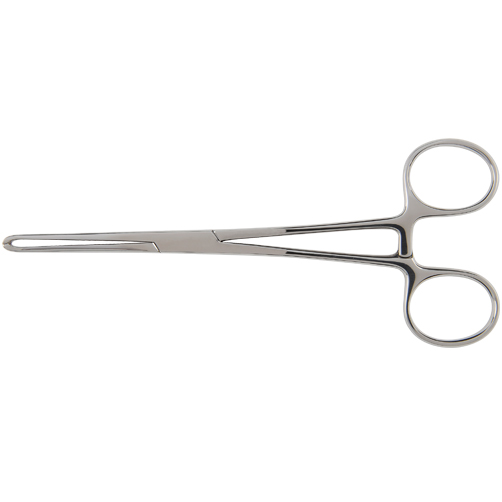
Allis forceps and Babcock forceps are two commonly used surgical instruments designed for grasping and holding tissues during medical procedures. Although both instruments are used in surgery, they have different designs and functions that make them suitable for specific surgical applications. Understanding the difference between Allis and Babcock forceps is important for surgeons, medical students, and healthcare professionals working with precision surgical instruments.
These surgical forceps are manufactured from high-quality stainless steel to provide durability, corrosion resistance, and long-term medical performance. Both instruments are widely used in hospitals, clinics, and operating rooms worldwide for safe and effective tissue handling.
What Are Allis Forceps?
Allis Forceps are surgical instruments designed for grasping and holding heavy or firm tissues during surgical procedures. These forceps feature interlocking teeth at the tip, providing a strong and secure grip on tissues.
Allis forceps are commonly used in general surgery, gynecology, and orthopedic procedures where a firm hold is required. Due to their toothed design, they are typically used on tissues that can withstand pressure without damage.
What Are Babcock Forceps?
Babcock forceps are atraumatic surgical instruments used for holding delicate tissues without causing injury. Unlike Allis forceps, Babcock forceps have smooth, rounded jaws without teeth, allowing gentle tissue handling during surgery.
These forceps are commonly used in intestinal surgery, laparoscopic procedures, and operations involving delicate organs such as the bowel, fallopian tubes, and ureters. Their atraumatic design helps minimize tissue trauma and improve patient safety.

Main Differences Between Allis and Babcock Forceps
The primary difference between Allis and Babcock forceps is their jaw design and tissue handling purpose. Allis forceps feature toothed jaws for a firm grip, while Babcock forceps have smooth jaws designed for gentle handling of delicate tissues.
Allis forceps are ideal for grasping dense tissues and surgical materials where a strong hold is necessary. In contrast, Babcock forceps are preferred for delicate tissues because they reduce the risk of tissue damage during procedures.
Another important difference is their surgical application. Allis forceps are commonly used for holding fascia and soft tissues, whereas Babcock forceps are mainly used in gastrointestinal and gynecological surgeries involving sensitive organs.
Common Uses of Allis Forceps
Allis forceps are widely used in surgical procedures requiring secure tissue handling and retraction. They are commonly used in gynecology, orthopedic surgery, and general surgical operations for holding tissues firmly during procedures.
Their locking mechanism and strong gripping ability make them effective for handling thick tissues and surgical drapes. These forceps are essential tools in many surgical instrument sets.
Common Uses of Babcock Forceps
Babcock forceps are commonly used for grasping delicate tissues without causing trauma or crushing injuries. They are widely used in abdominal surgery, intestinal procedures, and laparoscopic operations.
These forceps are especially useful when handling soft organs and tubular structures that require gentle support during surgery. Their smooth design helps improve surgical safety and precision.
Importance of High-Quality Surgical Instruments
Using premium-quality Allis and Babcock forceps is essential for ensuring surgical precision, patient safety, and reliable medical performance. High-grade stainless steel surgical instruments offer excellent corrosion resistance, easy sterilization, and long-term durability.
Professional surgical tools also improve surgeon comfort and reduce fatigue during lengthy procedures. Choosing trusted surgical products ensures better handling, safety, and efficiency in modern healthcare environments.
Conclusion
Although Allis forceps and Babcock forceps are both used for tissue handling during surgery, their design and surgical applications are significantly different. Allis forceps provide a strong grip for firm tissues, while Babcock forceps allow gentle handling of delicate organs and tissues. Understanding these differences helps healthcare professionals select the correct surgical instrument for every procedure. Investing in high-quality surgical instruments ensures safety, precision, and reliable performance in every medical setting.